
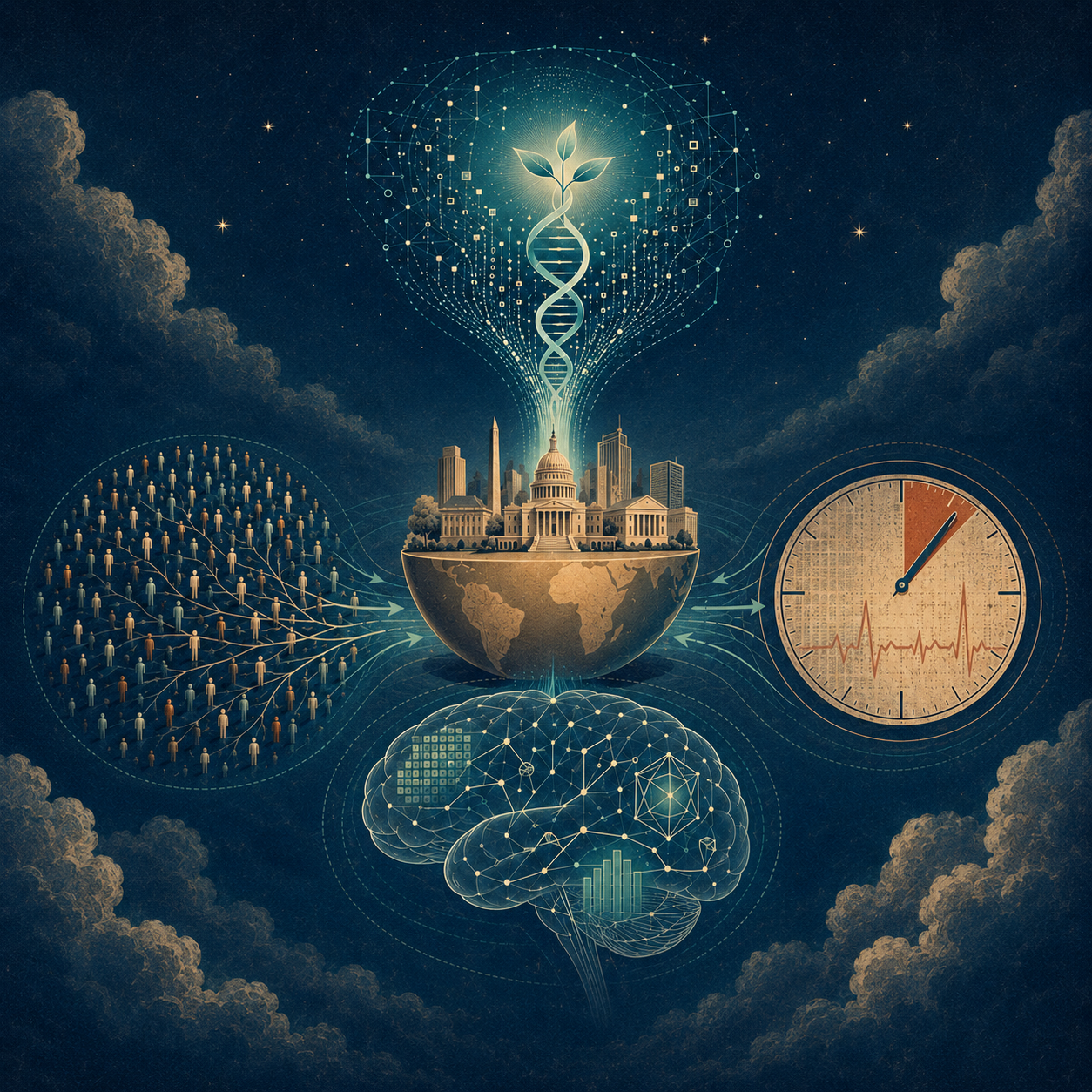
The Bio Genesis Priority
Long COVID is growing in prevalence, potentially accelerating morbidity, and increasing cognitive decline. This post examines new evidence and argues that AI, particularly through the federal Bio Genesis Mission, should be mobilized to uncover hidden disease patterns and accelerate solutions.

New Chapter - Abbott
I’ve joined Abbott as Global Manager, AI & Digital Solutions, bringing together my experience in artificial intelligence, data governance, product strategy, and enterprise transformation with a lifelong connection to healthcare. The future of medicine will be shaped by the convergence of AI and personalized care.
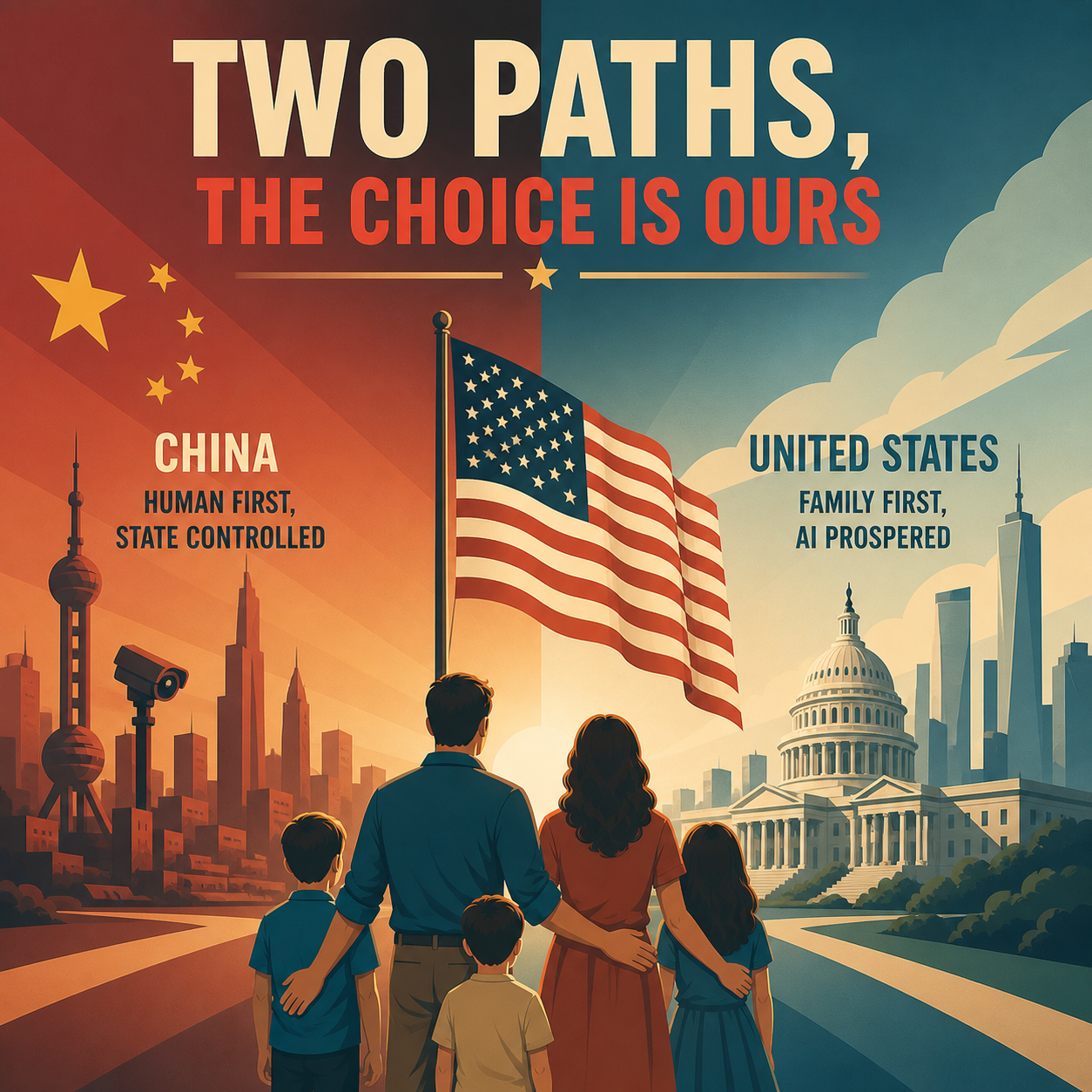
Chinese Court vs American Strategy
China’s state-directed “human-first” approach to managing AI is gracefully countered by a U.S. incentivized “family-first” alternative. Positioning the family as the core unit of economic and cultural continuity around AI provides a more resilient, bottom-up model of societal cohesion.
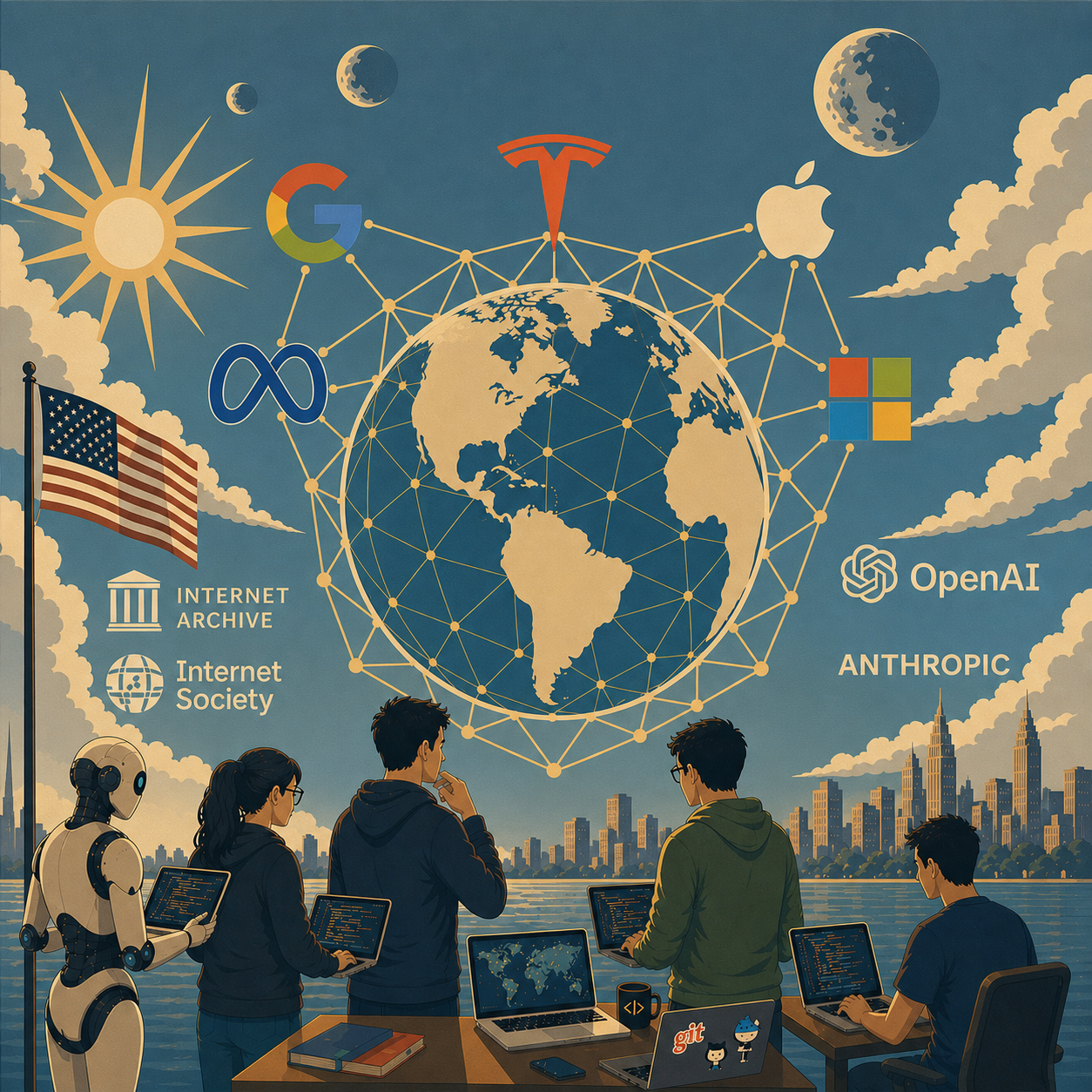
World Wide Web - Mapping Epochs
The internet has evolved from a network into a layered system of coexisting epochs, each shaped by distinct paradigms of trust, identity, and agency. From Maxwell's electromagnetic field theory to quantum computation, the internet shares a map of forces already in motion, with a intersection at 2032.

Speaking at Missional AI Global 2026
At Missional AI, I spoke about the accelerating trajectory toward AGI and the structural gap emerging beneath it. As intelligence becomes an active, autonomous force across networks, the internet must evolve into a system that protects identity, provenance, and trust, directly via new protocols.
Graduating From Google 🎓
After seven years at Google operating at the intersection of data, AI, and global-scale systems, I’m stepping into a new chapter focused on building what comes next. My work has centered on governance, provenance, and the underlying architectures that shape how intelligence is created, trusted, and deployed.
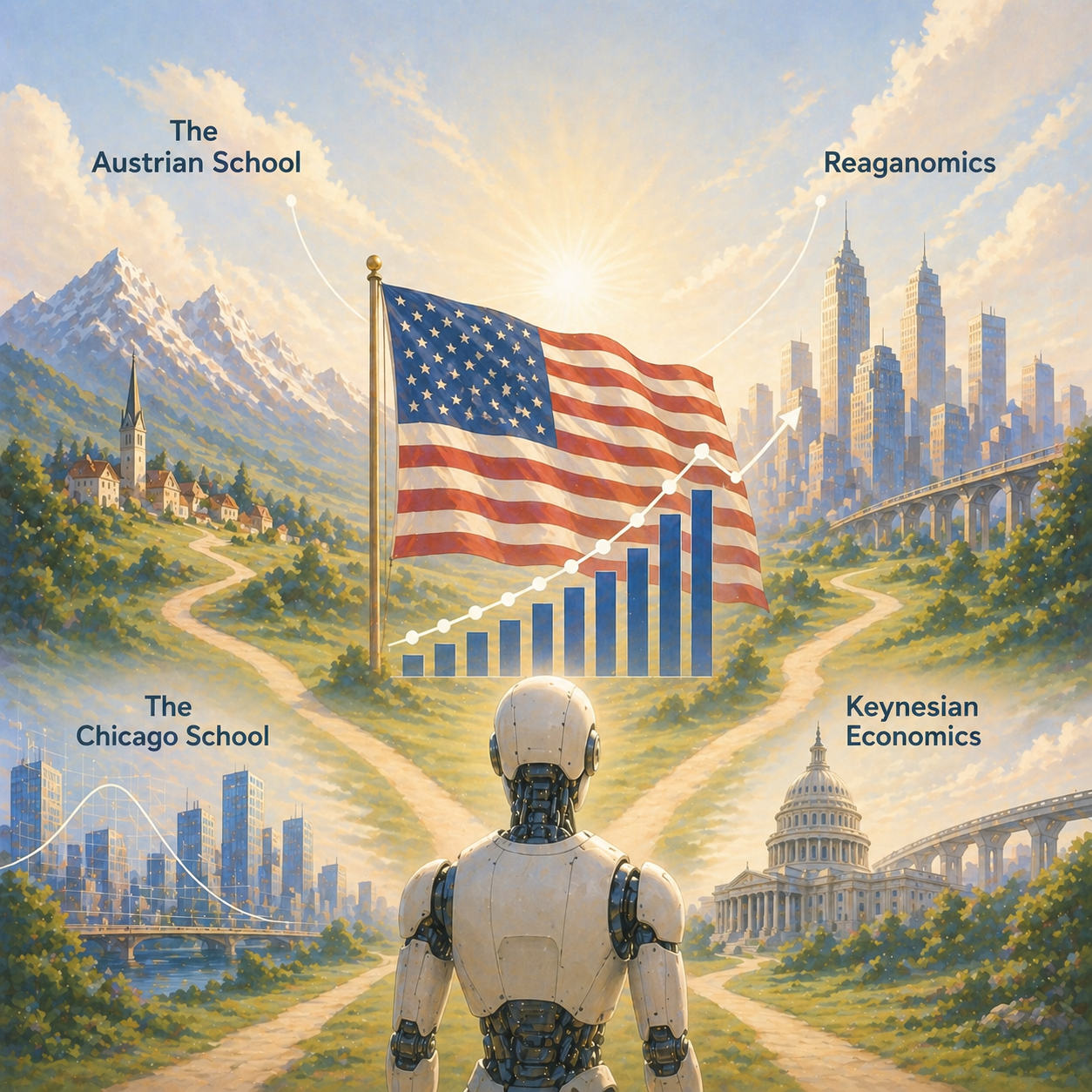
Labor and Expanding AI
This post argues that AI introduces a paradox of inertia: technological advancement accelerates rapidly, causing labor markets, institutions, and policy frameworks to fall apart under stagnant velocity. Structural imbalances break the assumptions underpinning modern economics.
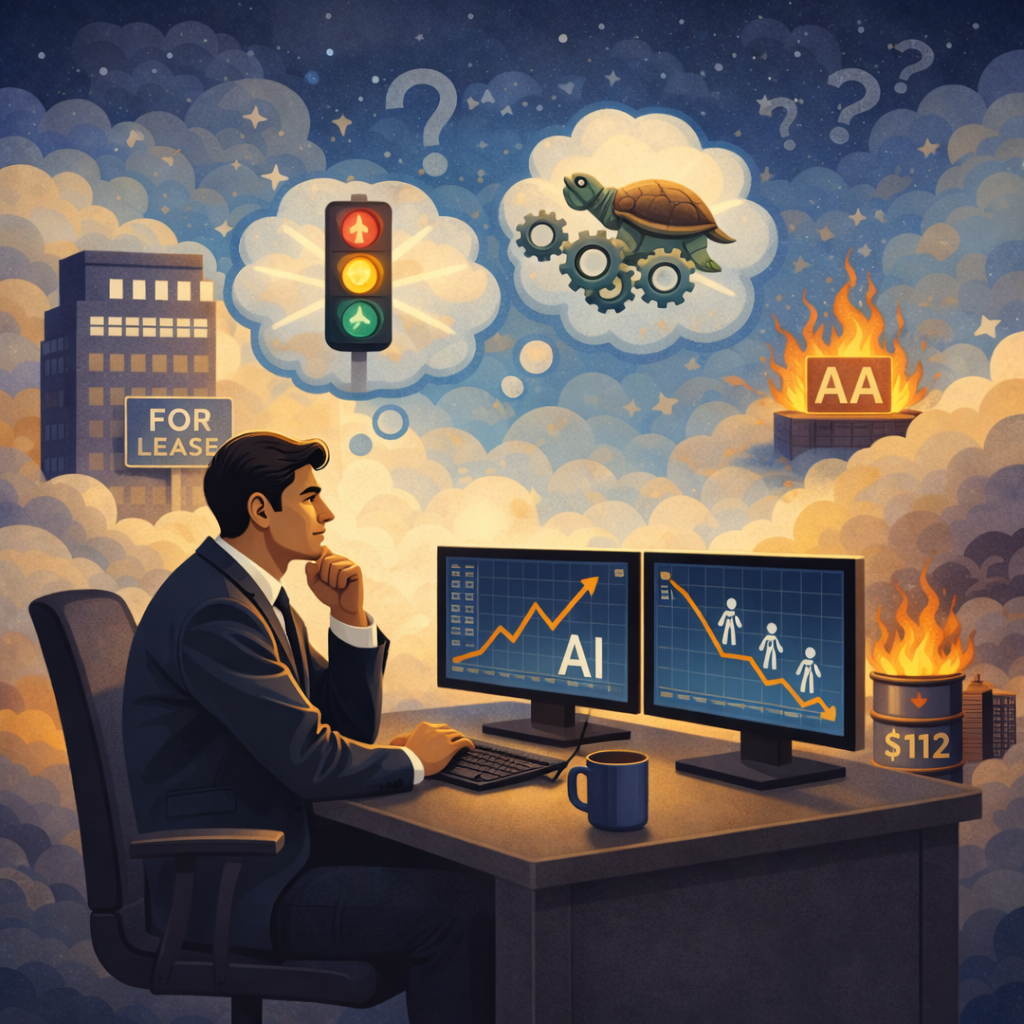
Maybe AI Made The Fed Obsolete
The Federal Reserve might become obsolete because the tight coupling between productivity, employment, wages, and inflation are breaking down under AI-driven transformation. As output scales without corresponding labor demand, monetary policy loses its primary transmission mechanism, leaving rate adjustments increasingly disconnected from real dynamics.

Extraterrestrial Data - Project Tutum
Extraterrestrial data centers represent a natural next step in the evolution of global computing, driven by the explosive growth of AI and the physical limits of Earth’s infrastructure. By moving compute off-world, we unlock virtually unlimited solar energy, passive cooling, and scalable deployment environments that eliminate many of today’s constraints.
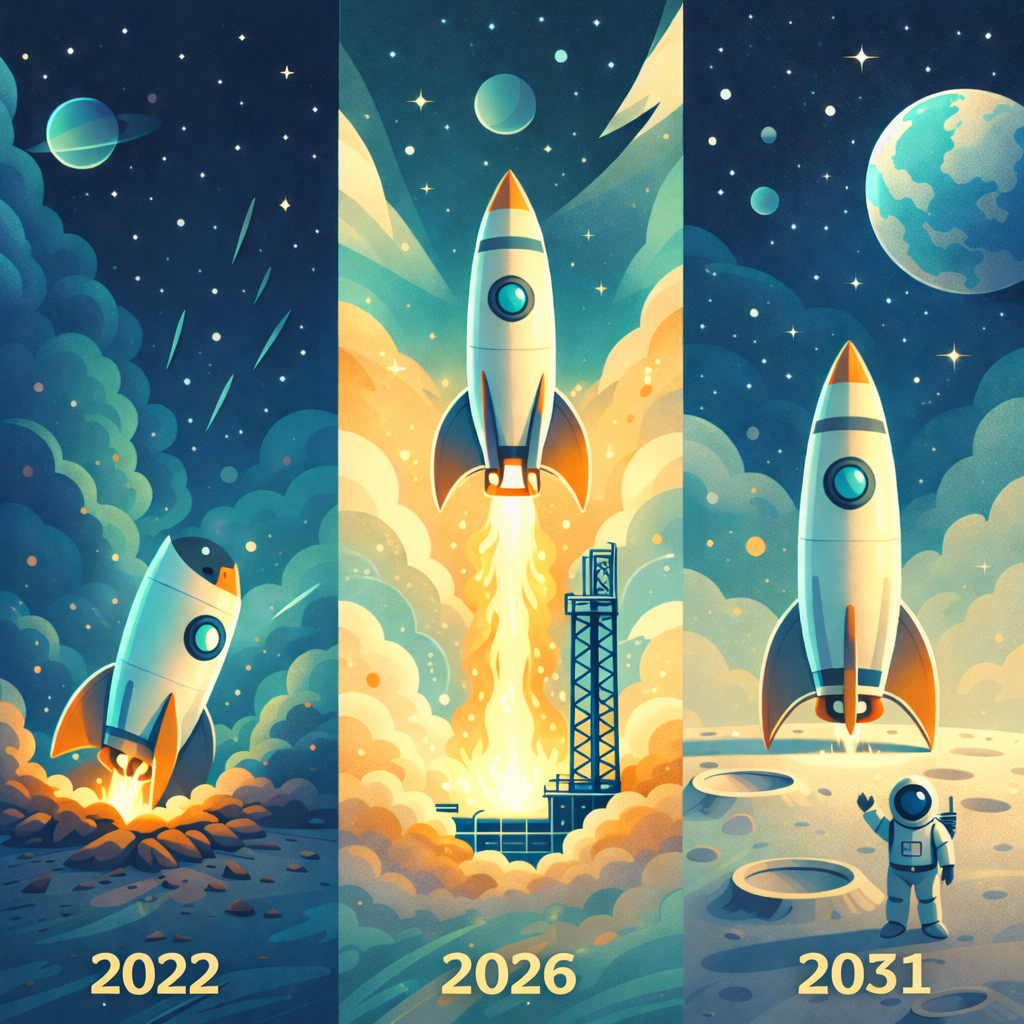
New Tech Milestones In 2026
In a single week, the landscape of artificial intelligence and automation has made dramatic moves across multiple fronts — from cloud data to enterprise work platforms, industrial robotics to emotional well-being. Taken together, these developments signal that we’re at the dawn of a new era, akin to the early days of the internet in the 1990s.

The Case For Continental Coherence
In an era of AI-compressed multipolarity, grand strategy increasingly becomes a matter of architecture. As major powers mirror one another’s operational capabilities, stability depends on designing new constraints. Continental coherence proposes a new political layer that aligns geographic responsibility with survival-scale force, while preserving sovereignty and pluralism.
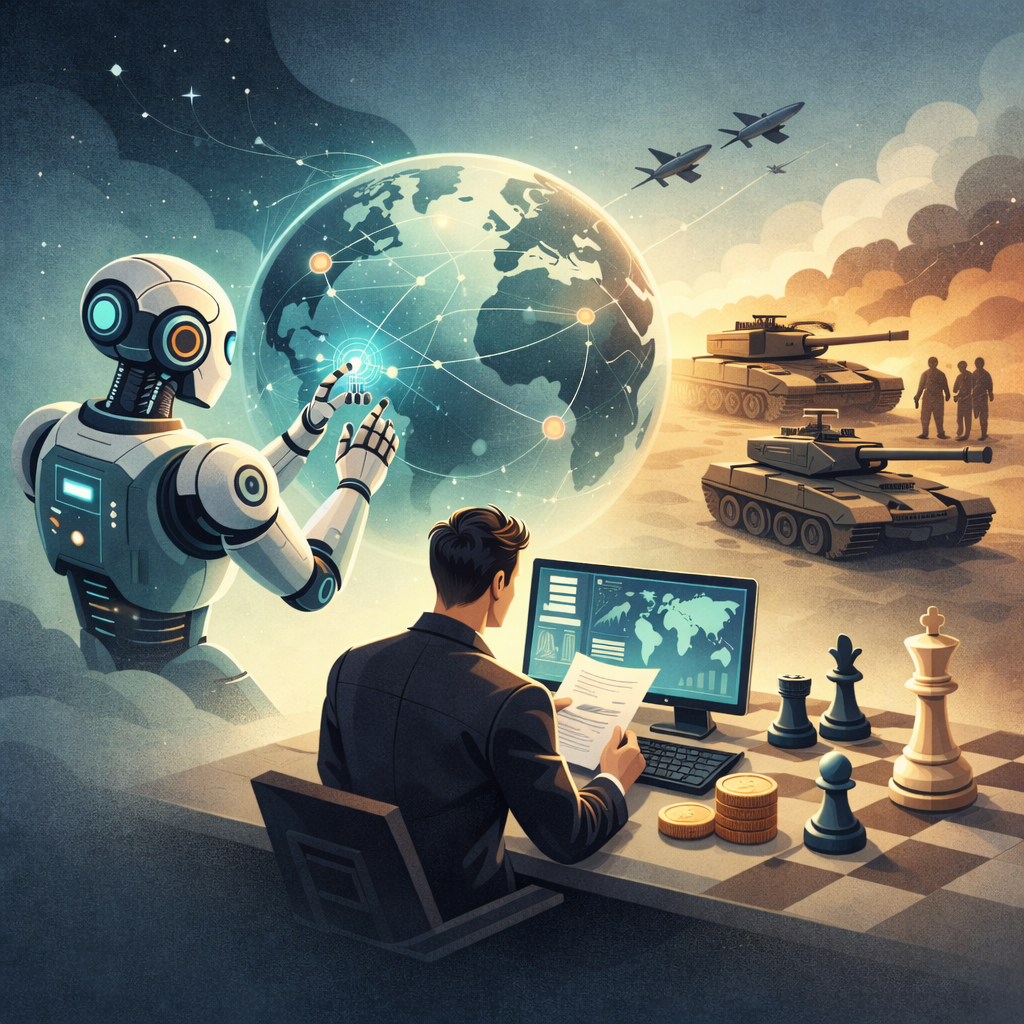
Realignment in a Post-Fragile World
Automation, robotics, demographic shifts, and geopolitical recalibration are quietly reshaping power structures. As Europe ages, the United States pivots toward hemispheric resilience, while conflict accelerates autonomous systems and AI deployment. Markets, migration pressures, and military restructuring all signal a deeper transition: nations and corporations are engineering durability against fragility.

The AI Macro Strategy of 2026
The AI strategy for 2026 is not to slow innovation, but to pace it intelligently… (aligning velocity with context) so choice, authorship, and legitimacy are preserved at scale. The real risk ahead is synchronized speed, where systems converge faster than society’s ability to understand, govern, and adapt.

Foot Traffic Engines 2026
The same properties that make LLMs deeply engaging also make them capable of redirecting, scaffolding, and strengthening human connection.

Inevitability of Distributed Trust & Safety
A distributed Trust & Safety model is inevitable because safeguarding civilization-scale AI requires risk detection, decisioning, and accountability to be embedded across many nodes—not concentrated in any single institution—so resilience, oversight, and moral alignment emerge from the network itself.

Joining Google Trust & Safety
I'm shifting into Trust & Safety, as a Global Technical Program Manager, for Applied AI, because the governance layer must evolve alongside AI capabilities. This is the layer where human values, societal stability, and technological scale converge.

What’s keeping me up at night…
This is a summary of a deep conversation I had with an AI, where we explored data and mapped some of the biggest structural challenges facing the U.S. economy. It’s not all-encompassing, but it captures the root causes — with issues like housing, jobs, and wages emerging as downstream domino effects.

Rethinking AGI Safety Through Invariants
AGI safety grounded in 10 ethical invariants and ‘exit as canary’—a model that blends math, governance, and early-warning signals!
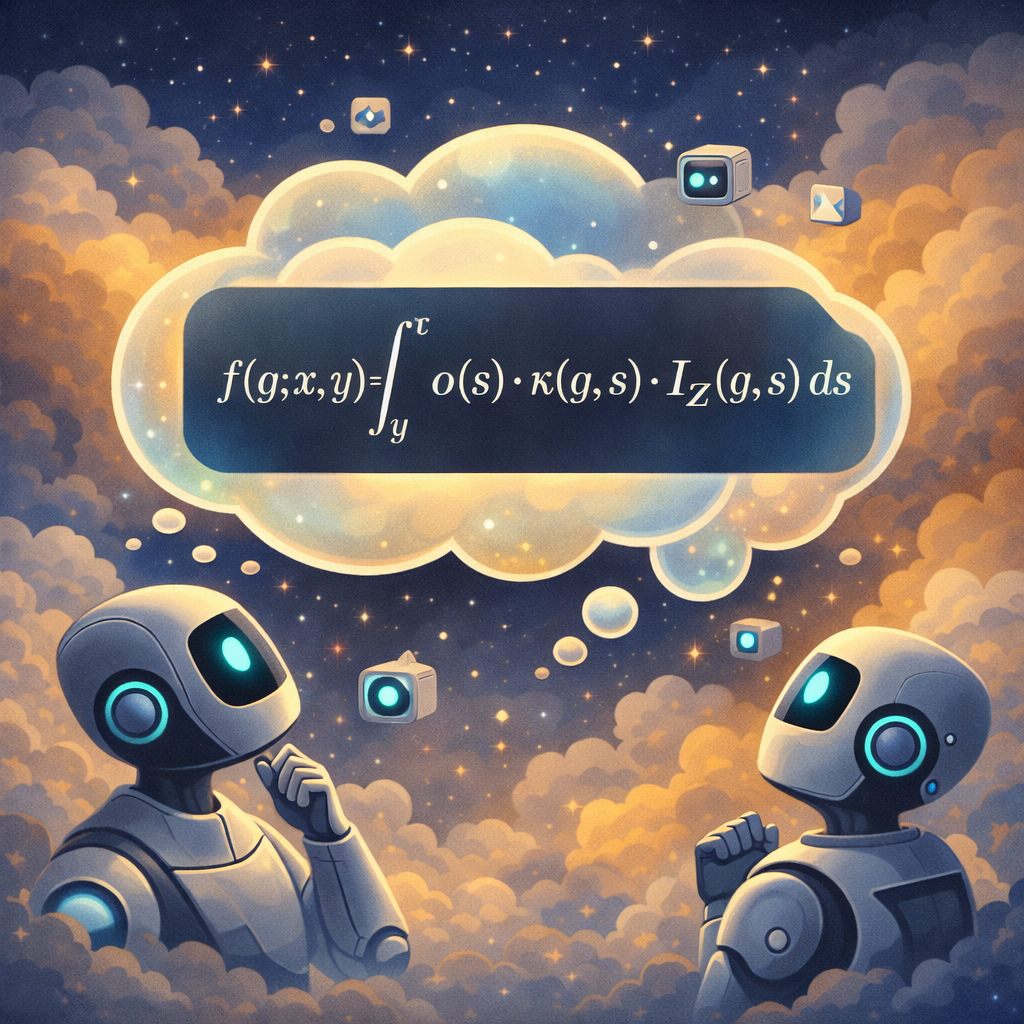
Designing for Wisdom: AGI Governance
Exploring the “Wisdom Equation” — a framework that blends philosophy, ethics, and computation to show how wisdom can guide AI and human decision-making.
Returning to Google
I’ve returned to Google as an Global Product Manager, and I want to share why — because the answer isn’t just professional, it’s personal. It has everything to do with… where the world is heading.